Ceramic Coating Services Serving Wylie, Rockwall and Plano, TX
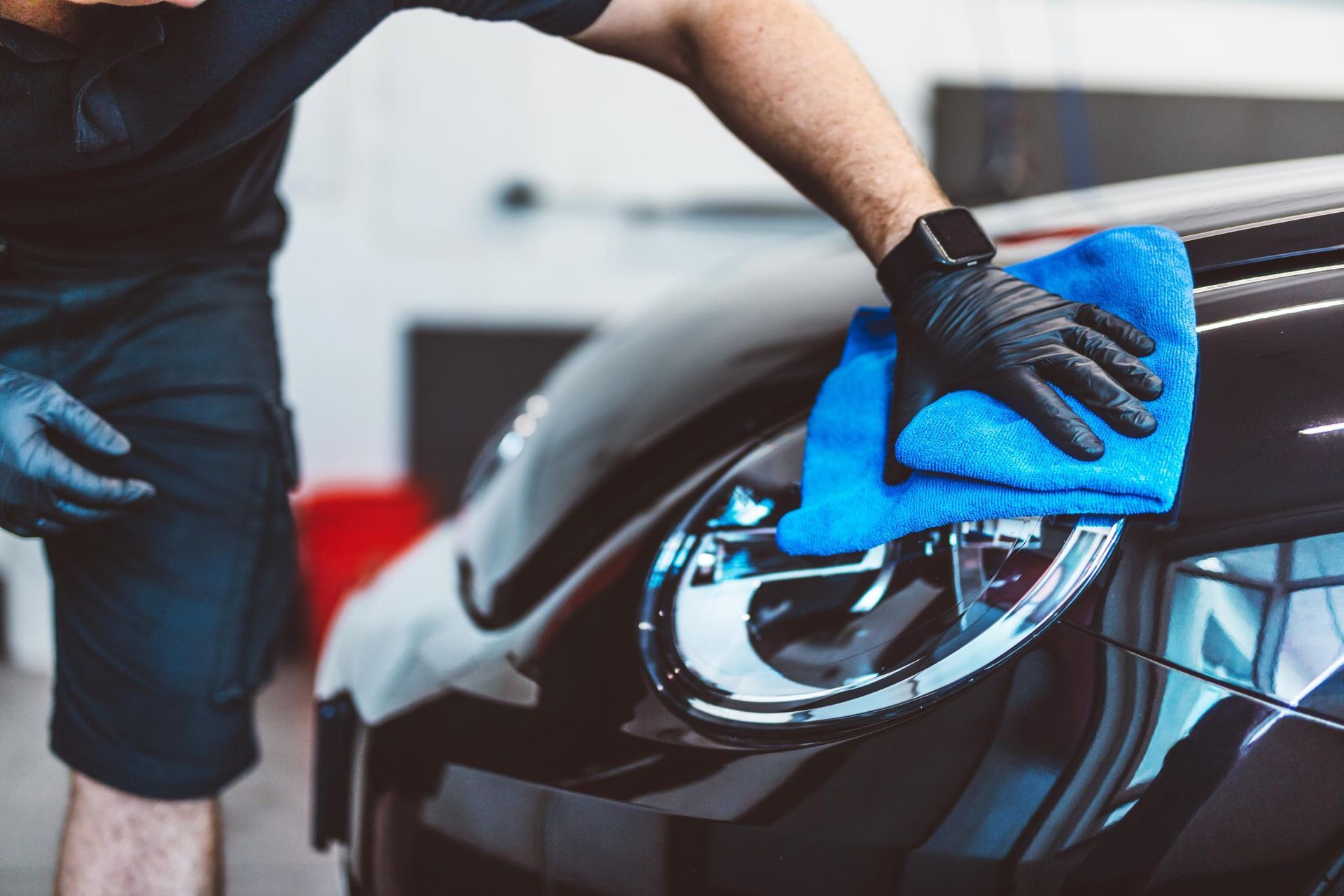
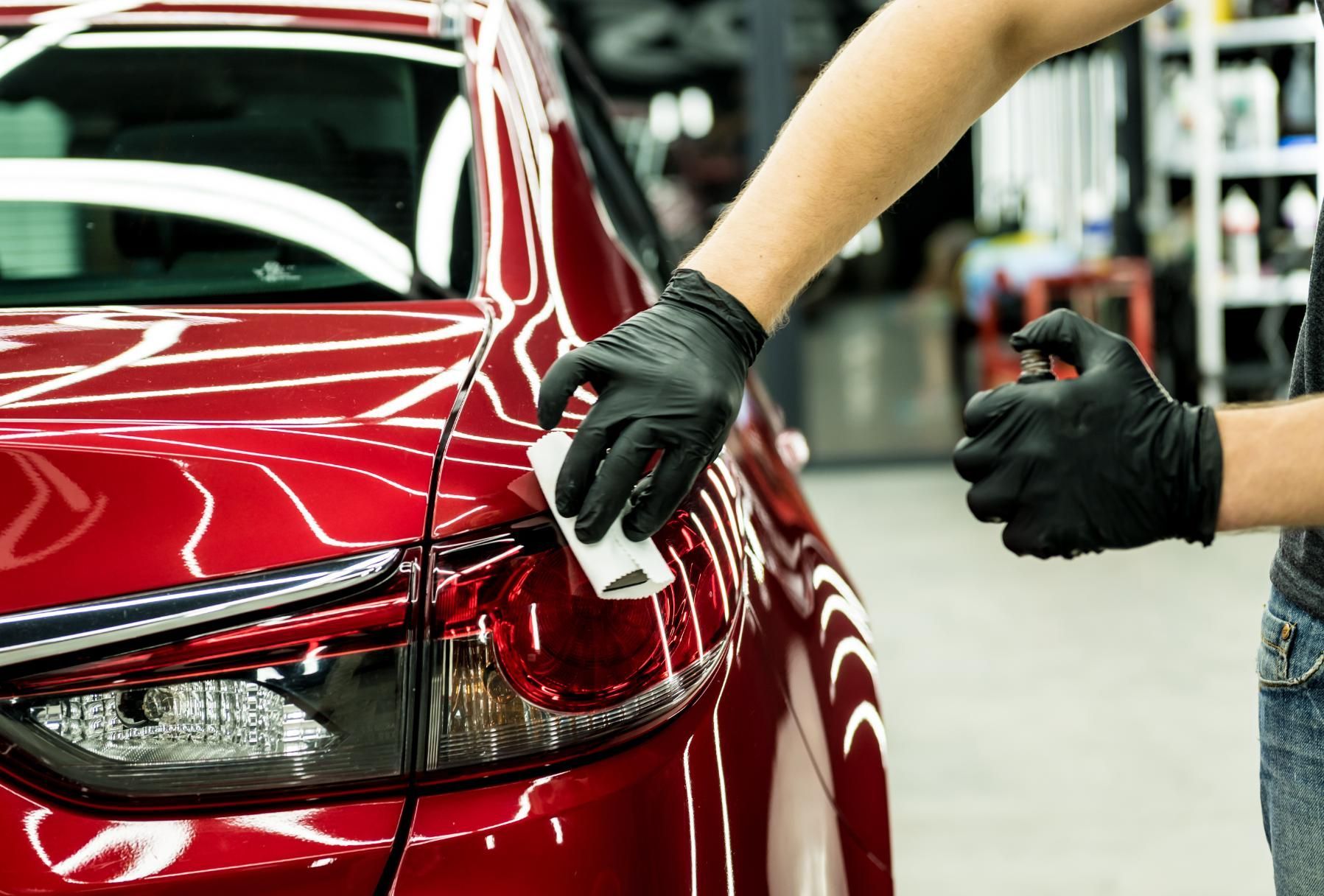
Ceramic coating is a liquid polymer protection applied to a vehicle’s exterior surfaces to create a durable, semi-permanent layer of defense against environmental contaminants. At Straightline Paintless Dent Repair serving Wylie, Rockwall and Plano, TX, ceramic coating is applied to enhance surface gloss while adding a protective barrier over the factory paint. Once cured, the coating bonds at a molecular level with the clear coat, creating a hydrophobic surface that resists water, dirt, and chemical exposure.
Unlike traditional wax or sealants, ceramic coatings are designed for long-term performance. They do not simply sit on top of the paint; instead, they chemically bond with the surface to provide extended protection and improved visual clarity. This makes them a practical option for maintaining exterior condition in varying weather and driving environments.
How Ceramic Coating Works on Vehicle Surfaces
Ceramic coating functions through a chemical process that forms a protective layer over the clear coat of a vehicle. Once applied and cured, it creates a hardened surface that enhances resistance to external elements.
Surface Preparation and Cleaning
Before application, the vehicle surface must be thoroughly cleaned and decontaminated. This ensures that the coating bonds directly with the paint rather than with dirt or residue.
Bonding Process
The liquid polymer is carefully applied in controlled sections. As it cures, it forms a strong molecular bond with the clear coat, creating a uniform protective layer.
Curing and Hardening
After application, the coating requires time to fully cure. During this stage, it hardens into a durable shell that enhances surface strength and resistance.
Hydrophobic Effect
Once cured, the surface repels water and liquids. This effect helps reduce water spotting and makes cleaning the vehicle significantly easier.
Protective Properties of Ceramic Coating
Ceramic coating is primarily used to protect the exterior of a vehicle from environmental and chemical damage. Its structure allows it to resist a wide range of common exposure risks.
UV Ray Resistance
Prolonged exposure to sunlight can cause paint to fade over time. Ceramic coating helps reduce UV-related oxidation by acting as a protective barrier.
Chemical Contaminant Resistance
Road grime, bird droppings, and acidic contaminants can damage clear coat surfaces if left untreated. Ceramic coating provides a layer of resistance against these substances.
Water and Dirt Repellency
The hydrophobic nature of ceramic coating causes water and dirt to bead and slide off more easily, reducing surface buildup.
Light Scratch Resistance
While not scratch-proof, ceramic coating adds a level of hardness that helps reduce the impact of light swirl marks and minor abrasions.
Application Areas for Ceramic Coating
Ceramic coating can be applied to multiple exterior surfaces of a vehicle, each benefiting from enhanced protection and appearance.
Painted Body Panels
The most common application area is the painted exterior surfaces, including doors, hood, roof, and trunk panels.
Clear Coat Protection
Ceramic coating bonds directly with the clear coat layer, strengthening the surface and preserving gloss.
Trim and Exterior Plastics
In some cases, coating can also be applied to plastic trim pieces to reduce fading and discoloration.
Wheels and Glass Surfaces
Certain ceramic coatings are designed for wheels and glass, helping reduce brake dust buildup and improving visibility during wet conditions.
Maintenance After Ceramic Coating
Once a ceramic coating has been applied, maintenance requirements change compared to uncoated surfaces. While the coating reduces buildup, regular care is still important to maintain its performance.
Routine Washing
Vehicles should still be washed regularly, but dirt and contaminants typically release more easily from coated surfaces.
pH-Neutral Cleaning Products
Mild, non-abrasive cleaning solutions are used to avoid breaking down the coating layer over time.
Avoiding Abrasive Methods
Harsh scrubbing tools or automated brushes with stiff materials should be avoided to preserve coating integrity.
Periodic Inspection
Over time, the coating’s hydrophobic properties may diminish slightly and can be evaluated for maintenance or reapplication if needed.
Ceramic Coating Serving Wylie, Rockwall and Plano, TX for Long-Term Surface Protection
In Wylie, Rockwall and Plano, TX, vehicles are exposed to a mix of sun, dust, rain, and road contaminants that can gradually degrade exterior paint quality. Ceramic coating provides a structured layer of protection designed to reduce this wear while maintaining a cleaner, glossier finish over time. Straightline Paintless Dent Repair applies ceramic coating as part of a broader approach to exterior preservation, focusing on maintaining the condition of factory paint systems.
The coating’s ability to bond with the vehicle’s clear coat makes it a long-term protective solution rather than a temporary surface treatment. This allows vehicles to maintain a consistent appearance while reducing the effects of environmental exposure. In regions where weather conditions and road debris can accelerate paint deterioration, ceramic coating offers a controlled barrier that helps stabilize and protect exterior surfaces without altering the original finish.