
Paintless Dent Repair Serving Wylie, Rockwall and Plano, TX
Paintless Dent Repair (PDR) is a specialized technique used to remove dents, dings, and minor body damage without altering the original factory paint. At Straightline Paintless Dent Repair serving Wylie, Rockwall and Plano, TX, this method is performed using precision tools that reshape metal panels from behind, restoring the vehicle’s surface without fillers, sanding, or repainting. This approach maintains the structural and visual integrity of the original finish while addressing common damage caused by parking lot incidents, minor collisions, and everyday wear.
Unlike traditional body shop repairs, PDR focuses on preserving what is already intact. The process is highly controlled and requires an understanding of metal elasticity, paint flexibility, and panel construction. When performed correctly, the result is a smooth, factory-like finish without evidence that damage ever occurred.
Understanding the Paintless Dent Repair Process
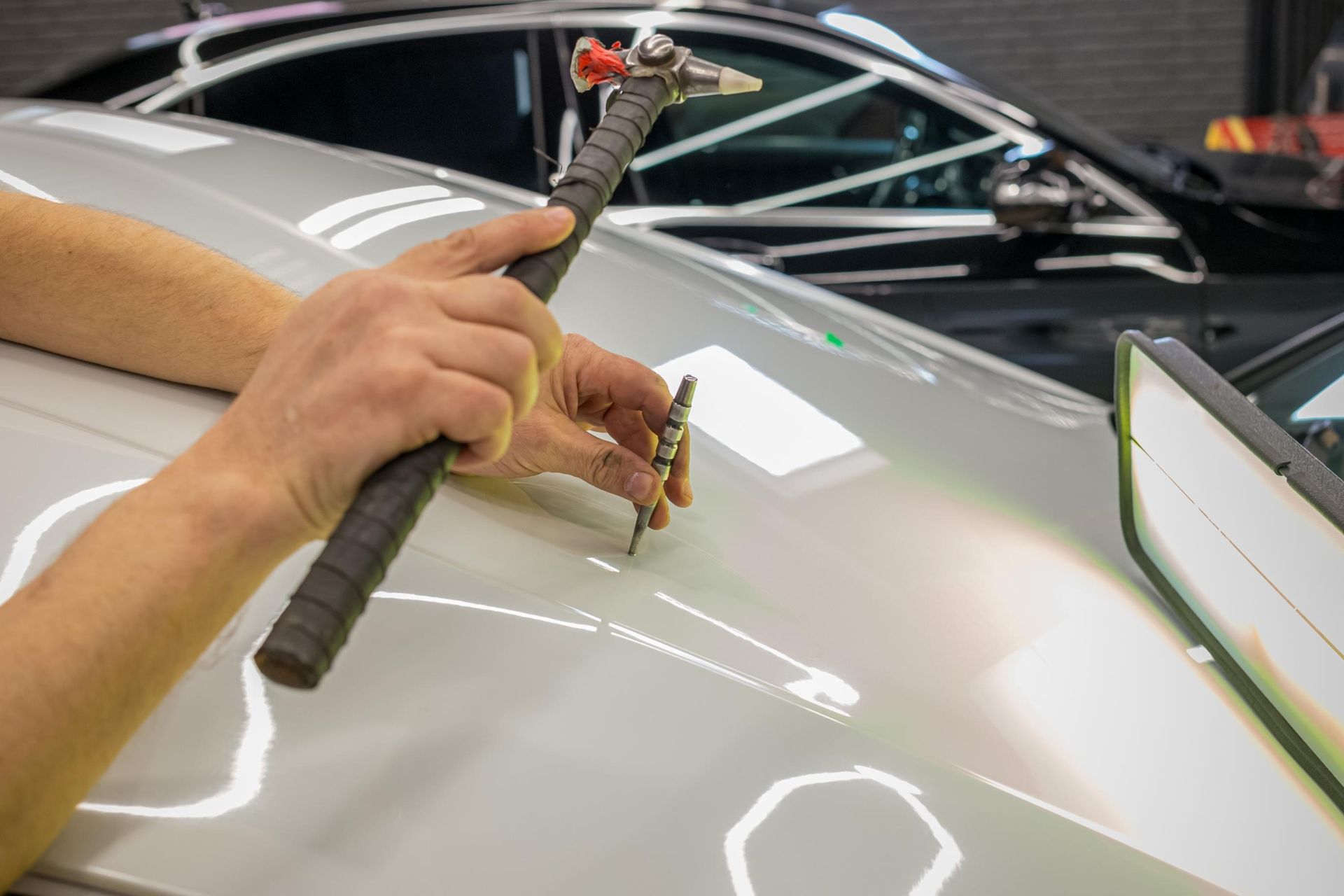
Paintless Dent Repair works by carefully accessing the underside of a damaged panel and using specialized rods and tools to massage the metal back into its original position. The technician reads the dent through reflected light and gradually applies pressure to restore the surface without overstretching the material.
Precision Panel Access
Access points are created or utilized through existing openings such as window gaps, trim areas, or inner panel spaces. This ensures that the repair can be completed without dismantling large sections of the vehicle unnecessarily.
Controlled Metal Manipulation
Using calibrated tools, the dent is slowly pushed outward. Each movement is deliberate, preventing stress on the paint surface while restoring the panel’s original contour.
Surface Refinement
After the primary dent is removed, fine adjustments are made to eliminate minor distortions. This stage ensures the panel reflects light evenly, matching the surrounding areas.
Paint Preservation
Since no sanding or repainting is involved, the factory paint remains untouched. This is a critical aspect of PDR, as original finishes are more durable and valuable than aftermarket paintwork.
Types of Damage Suitable for PDR
Paintless Dent Repair is most effective for specific categories of damage where the paint surface remains intact and the metal has not been severely stretched. The technique is adaptable, but certain conditions determine its success.
Door Dings and Minor Impacts
Small dents caused by car doors, shopping carts, or similar impacts are ideal candidates. These typically involve shallow depressions with no paint damage.
Hail Damage
Vehicles affected by hail often have multiple dents across panels. PDR allows for consistent repair across all impacted areas without repainting each section.
Soft Creases
Long, shallow creases can often be repaired using advanced PDR techniques. These require careful manipulation to restore the panel’s shape evenly.
Bodyline Dents
Dents that occur along a vehicle’s bodylines are more complex but still repairable when the paint remains intact. These areas require precise alignment to maintain the vehicle’s design contours.
Limitations of Paintless Dent Repair
While PDR is highly effective, it is not suitable for every type of damage. The condition of the paint and the extent of metal distortion play a significant role in determining whether this method can be applied.
Paint Damage or Cracking
If the paint is chipped, cracked, or missing, PDR alone cannot restore the surface. Additional refinishing would be required in such cases.
Severe Panel Stretching
Deep dents where the metal has been significantly stretched may not return fully to their original shape using PDR techniques.
Sharp or Complex Impacts
Dents with sharp edges or multiple impact points can be difficult to repair without leaving minor imperfections.
Structural Damage
Damage that affects structural components or reinforced areas of the vehicle typically falls outside the scope of PDR and may require conventional body repair methods.
Equipment and Techniques Used in PDR
The success of Paintless Dent Repair depends on the tools and techniques used during the process. Each repair requires a tailored approach based on the vehicle’s design and the nature of the damage.
Reflection Lighting Systems
Specialized lighting setups are used to highlight imperfections on the panel surface. These reflections guide the technician in identifying high and low points during the repair.
Metal Rods and Picks
A range of rods with different shapes and sizes are used to access and manipulate dents from behind the panel. These tools allow for controlled pressure application.
Glue Pulling Methods
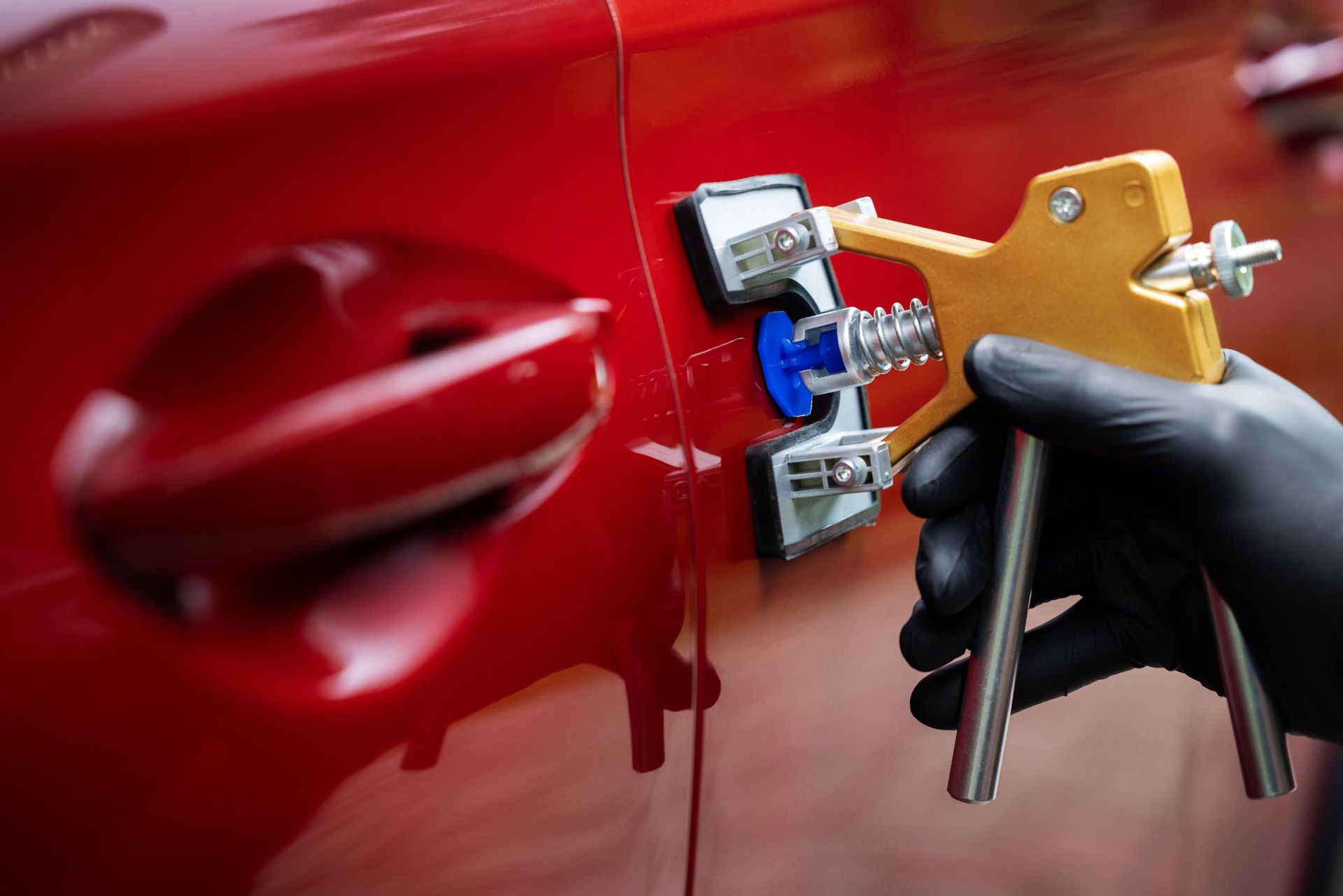
In situations where access from behind is limited, adhesive tabs are applied to the exterior surface to gently pull the dent outward. This technique complements traditional PDR methods.
Heat Application
Heat may be applied to the repair area to increase paint flexibility and reduce the risk of cracking, especially on modern vehicle finishes.
Paintless Dent Repair Serving Wylie, Rockwall and Plano, TX for Vehicle Preservation
Maintaining a vehicle’s original paint is one of the most important aspects of long-term value and appearance. Paintless Dent Repair provides a solution that aligns with this goal by avoiding invasive repair methods. At Straightline Paintless Dent Repair serving Wylie, Rockwall and Plano, TX, the focus is on restoring panels with minimal disruption to the vehicle’s original condition.
This approach is particularly relevant for newer vehicles, leased cars, and those with high-quality factory finishes. By eliminating the need for repainting, PDR ensures color consistency and prevents issues such as mismatched paint or reduced resale value.
In Wylie, Rockwall and Plano, TX, where vehicles are exposed to varying weather conditions and everyday driving risks, minor dents are a common occurrence. Paintless Dent Repair offers a practical and efficient method for addressing these issues while preserving the integrity of the vehicle. The process is designed to deliver precise results without compromising the original structure or finish, making it a preferred solution for many types of minor body damage.