Paint Correction Services Serving Wylie, Rockwall and Plano, TX
Paint correction is a multi-stage detailing process used to remove surface imperfections from a vehicle’s clear coat, restoring a smoother and more uniform finish. At Straightline Paintless Dent Repair serving Wylie, Rockwall and Plano, TX, paint correction focuses on eliminating defects such as swirl marks, light scratches, oxidation, and haze that accumulate over time through washing, environmental exposure, and daily driving.
Unlike simple polishing or cosmetic cleaning, paint correction involves controlled abrasion of the clear coat layer to level out imperfections and restore optical clarity. The goal is to refine the surface so that light reflects evenly across the paint, creating a cleaner and more consistent appearance.
How Paint Correction Works on Vehicle Paint
Paint correction works by gradually leveling the clear coat surface to remove defects that distort light reflection. This is done through carefully controlled machine polishing using specialized compounds and pads.
Paint Surface Evaluation
The process begins with a detailed inspection of the paint under focused lighting. This reveals swirl marks, scratches, oxidation, and other imperfections that may not be visible in normal lighting conditions.
Compounding Stage
A cutting compound is used with a polishing machine to remove a thin layer of clear coat. This stage targets deeper imperfections such as heavier swirl marks and oxidation.
Polishing Stage
After compounding, a finer polish is used to refine the surface. This step removes haze left from the previous stage and improves gloss clarity.
Finishing Stage
The final refinement ensures that the paint surface is smooth, reflective, and free of visible defects under direct lighting.
Types of Paint Imperfections Removed
Paint correction addresses a wide range of surface defects that develop over time due to improper washing techniques, environmental exposure, and general wear.
Swirl Marks
These are circular micro-scratches commonly caused by automatic car washes or improper hand washing techniques.
Light Scratches
Fine scratches in the clear coat can be reduced or removed depending on their depth and severity.
Oxidation
Exposure to sunlight and air can cause paint to become dull or chalky, which can be restored through correction.
Water Spots and Etching
Mineral deposits from water can leave marks that bond to the surface, which may be reduced through controlled polishing.
Paint Correction Stages and Levels
Paint correction is not a single fixed process but can vary depending on the condition of the vehicle’s paint. Different levels of correction are used based on the severity of imperfections.
Single-Stage Correction
This involves a one-step polishing process that enhances gloss and removes minor defects. It is typically used for vehicles with light wear.
Multi-Stage Correction
This process includes both compounding and polishing stages to remove deeper imperfections and achieve a higher level of refinement.
Intensive Correction Work
Heavily damaged paint may require multiple rounds of correction to achieve a uniform finish across all panels.
Spot Correction
Specific areas of damage may be corrected individually when full-panel correction is not necessary.
Tools and Materials Used in Paint Correction
Paint correction requires precision tools and specialized materials designed to safely refine the clear coat without causing additional damage.
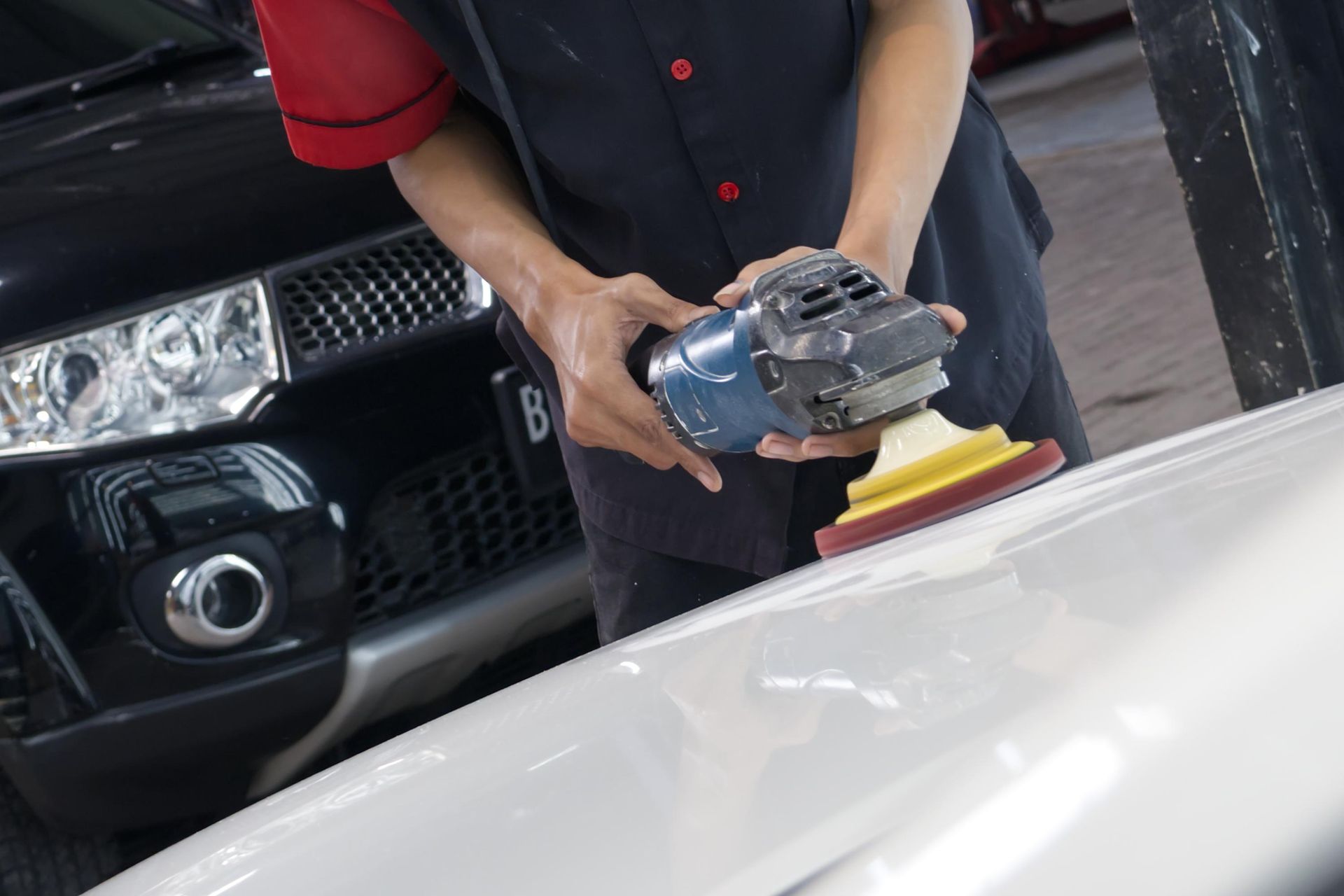
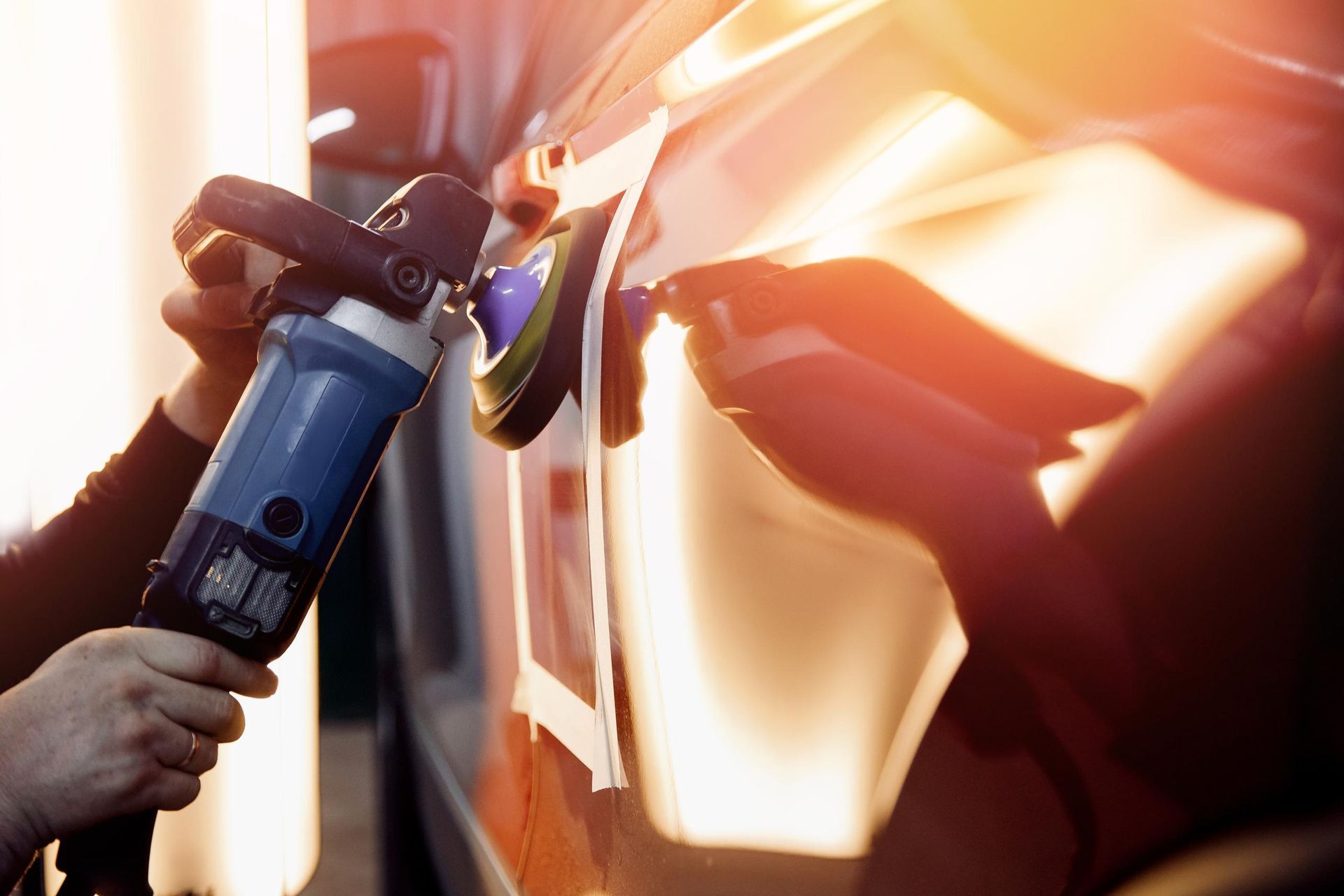
Dual-Action Polisher
This machine provides controlled orbital movement, reducing the risk of overheating or burning the paint surface.
Cutting Compounds
Abrasive compounds are used to remove deeper defects during the initial correction stage.
Finishing Polishes
Finer abrasives refine the surface after compounding, improving gloss and clarity.
Microfiber and Foam Pads
Different pad types are used depending on the level of correction required and the sensitivity of the paint.
Limitations of Paint Correction
While paint correction can significantly improve appearance, it does not replace missing paint or repair structural damage to the clear coat.
Deep Scratches
Scratches that penetrate beyond the clear coat into the base paint layer cannot be fully corrected without repainting.
Paint Thinness
Every correction process removes a small amount of clear coat, meaning excessive correction over time is not recommended.
Severe Damage
Panels with heavy oxidation or extensive damage may require repainting rather than correction alone.
Permanent Contaminants
Certain chemical stains or etching may be reduced but not completely removed depending on severity.
Paint Correction Serving Wylie, Rockwall and Plano, TX for Vehicle Surface Restoration
In Wylie, Rockwall and Plano, TX, vehicles are regularly exposed to environmental factors such as sun exposure, dust, rain, and road debris that gradually affect paint quality. Paint correction is used to restore clarity and smoothness to the vehicle’s exterior by addressing surface-level imperfections that accumulate over time.
Straightline Paintless Dent Repair performs paint correction as a controlled refinement process designed to improve the visual condition of factory paint without altering its original structure. By carefully leveling the clear coat, the surface becomes more reflective and uniform, restoring depth and clarity to the finish.
This process is especially relevant for vehicles that have lost gloss due to repeated washing or long-term exposure to outdoor conditions. Paint correction provides a methodical way to restore appearance without repainting, helping return the vehicle’s surface to a cleaner and more refined condition while maintaining the integrity of the original finish.