
Paint Protection Film (PPF) Installation Serving Wylie, Rockwall and Plano, TX
Paint Protection Film (PPF) installation involves applying a clear, durable urethane film to a vehicle’s exterior surfaces to protect the paint from physical damage such as rock chips, scratches, and road debris. At Straightline Paintless Dent Repair serving Wylie, Rockwall and Plano, TX, PPF is installed as a transparent protective layer that preserves the factory finish while adding a barrier against everyday driving hazards.
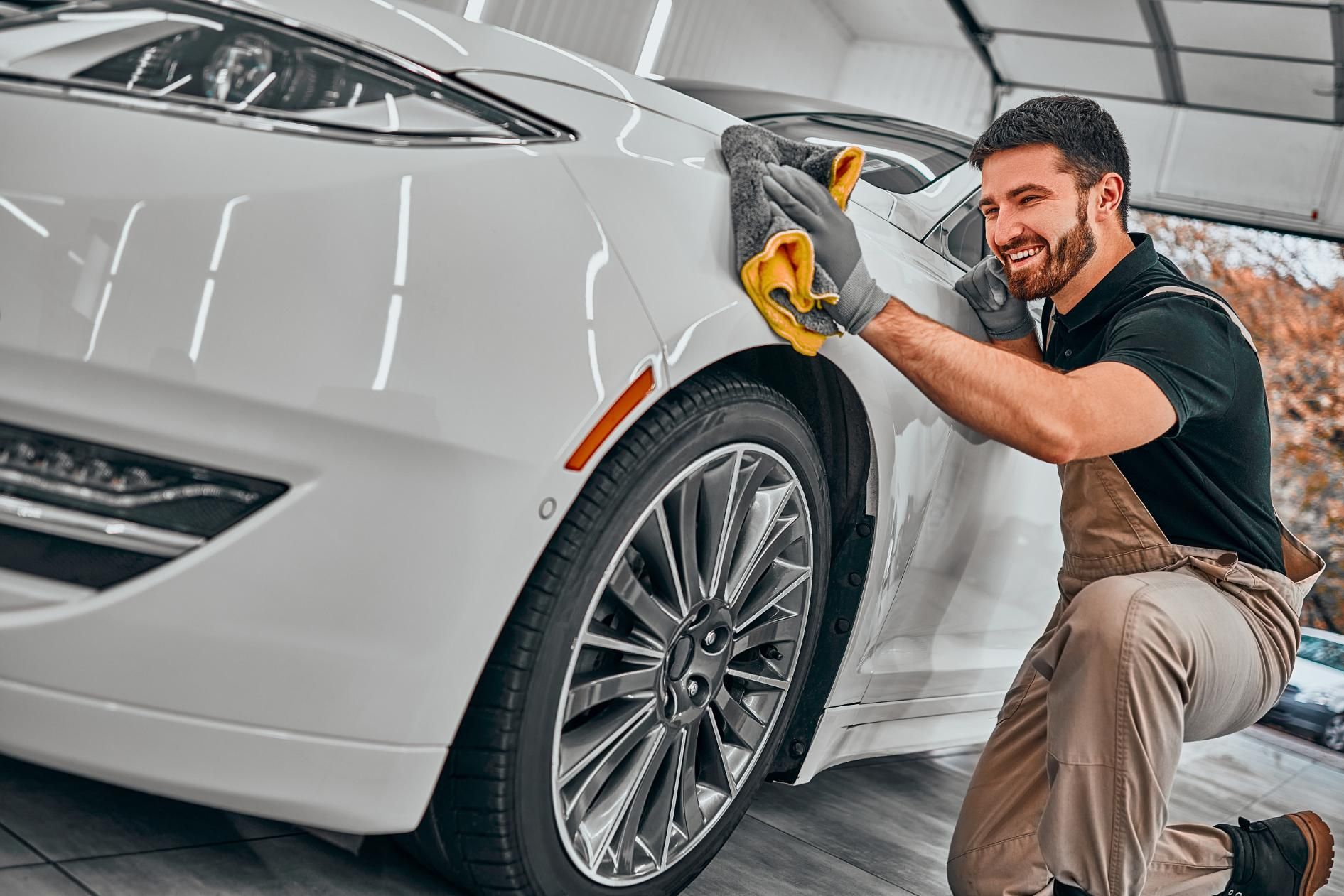
Often referred to as a “clear bra,” Paint Protection Film is engineered to absorb impact and resist surface abrasion without altering the appearance of the vehicle. Once applied, it remains virtually invisible while continuously shielding high-impact areas from damage that would otherwise affect the paint layer.
How Paint Protection Film Works
Paint Protection Film functions as a physical shield between the vehicle’s paint and external hazards. It is made from a multi-layer thermoplastic urethane material designed to absorb and disperse impact energy.
Surface Preparation
Before installation, the vehicle surface is thoroughly cleaned and decontaminated to ensure proper adhesion. Any dust, wax, or residue must be removed to allow the film to bond correctly.
Precision Film Application
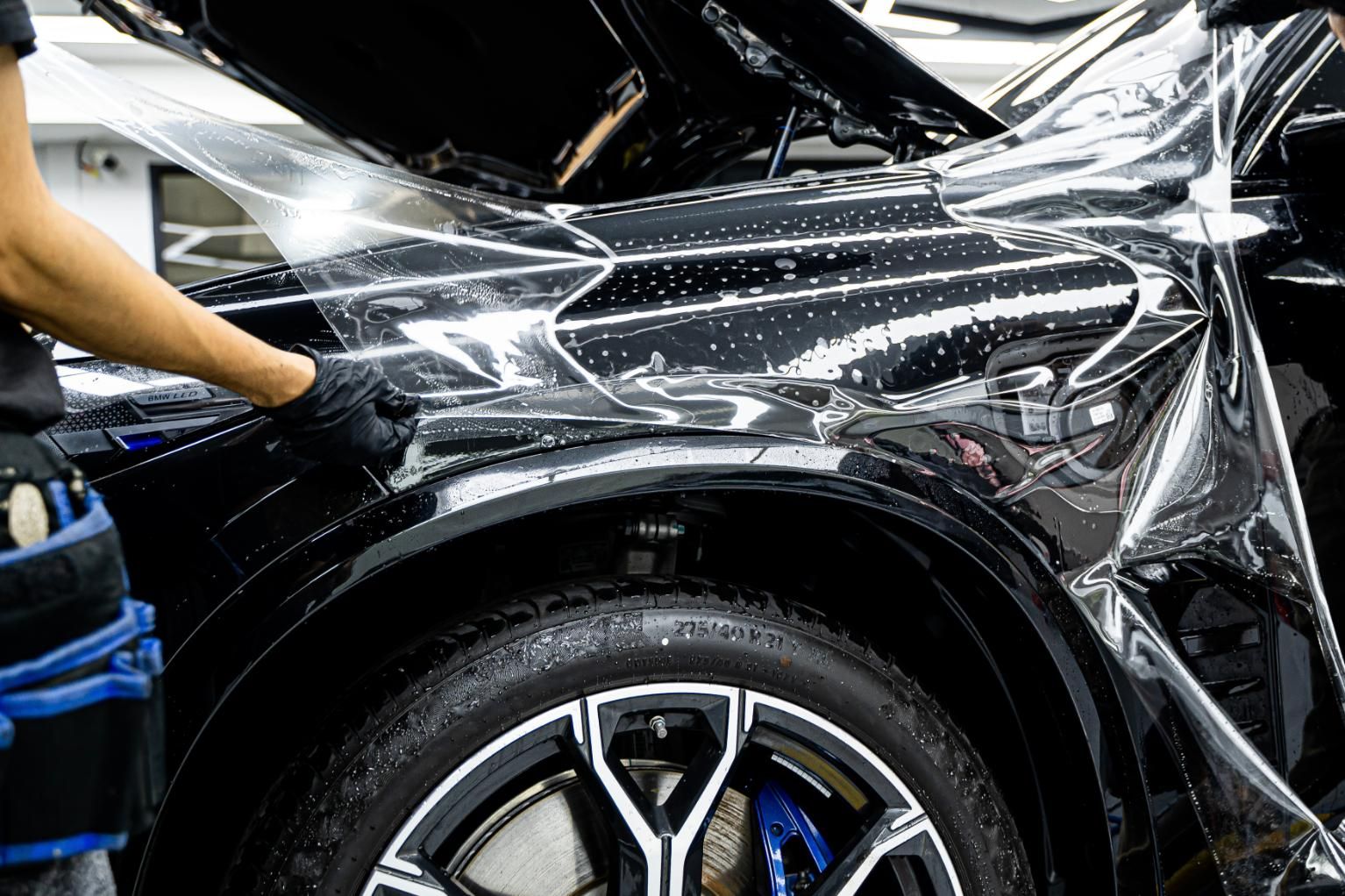
The film is carefully positioned and applied to the vehicle’s panels using specialized installation solutions. This allows the material to be adjusted before it permanently adheres to the surface.
Adhesion and Bonding
Once placed correctly, the film is smoothed to eliminate air bubbles and ensure full contact with the paint. It then bonds securely to the surface over time.
Self-Healing Properties
Many modern PPF materials feature self-healing capabilities. Minor scratches in the film can disappear with heat exposure from sunlight or warm water, helping maintain a smooth surface appearance.
Areas Commonly Covered with PPF
Paint Protection Film is typically applied to high-impact zones where damage from road debris and environmental exposure is most likely to occur.
Front Bumper
The front bumper is one of the most vulnerable areas due to constant exposure to rocks, gravel, and insects during driving.
Hood and Leading Edge
The front portion of the hood frequently receives chip damage from airborne debris, making it a primary candidate for PPF installation.
Fenders and Side Mirrors
These areas often experience direct impact from road particles, especially during highway driving.
Door Edges and Handles
High-contact zones such as door edges and handle recesses benefit from protection against scratches caused by frequent use.
Benefits of Paint Protection Film Installation
PPF is designed to preserve the exterior condition of a vehicle by minimizing direct paint exposure to damaging elements. Its structure allows it to perform as a sacrificial layer that absorbs impact instead of the paint underneath.
Rock Chip Resistance
The film acts as a buffer against gravel, stones, and road debris that can chip or crack paint surfaces.
Scratch Protection
Light scratches that would normally damage clear coat layers are absorbed by the film instead.
UV and Environmental Protection
PPF helps reduce the effects of UV exposure and environmental contaminants that can contribute to paint fading over time.
Invisible Finish
Once installed, the film is designed to remain clear and unobtrusive, maintaining the original look of the vehicle.
Installation Process Considerations
The effectiveness of Paint Protection Film depends heavily on the precision of installation and the condition of the vehicle surface prior to application.
Panel Fitment Accuracy
Film must be precisely aligned with each panel to ensure full coverage and a seamless appearance.
Edge Wrapping Techniques
Edges are often wrapped around panel seams where possible to improve durability and reduce visible lines.
Temperature and Environment Control
Installation conditions must be controlled to ensure proper adhesion and to prevent contamination during application.
Curing Period
After installation, the film requires time to fully bond with the surface, during which it should not be washed or disturbed.
Maintenance of Paint Protection Film
While PPF is designed to be durable, proper maintenance helps extend its performance and clarity over time.
Regular Washing
Routine washing helps prevent dirt buildup and maintains the film’s transparency.
Gentle Cleaning Products
Non-abrasive, pH-neutral cleaners are recommended to avoid affecting the film’s surface layer.
Avoiding Harsh Abrasion
Aggressive scrubbing tools or automated brushes with stiff bristles should be avoided to prevent surface wear.
Periodic Inspection
The film should be periodically checked for lifting edges or damage, especially in high-impact areas.
Paint Protection Film Installation Serving Wylie, Rockwall and Plano, TX
In Wylie, Rockwall and Plano, TX, vehicles are regularly exposed to road debris, changing weather conditions, and daily driving hazards that can impact paint quality over time. Paint Protection Film installation provides a protective barrier that helps reduce visible damage from these conditions while preserving the original factory finish.
Straightline Paintless Dent Repair applies PPF as part of a long-term exterior protection approach, focusing on preventing surface damage before it occurs. By creating a clear shield over vulnerable areas, the film helps maintain paint integrity without changing the vehicle’s appearance.
This type of protection is especially useful for vehicles driven frequently on highways or in environments where loose gravel and debris are common. The film’s ability to absorb impact and resist scratching allows the underlying paint to remain in its original condition, supporting long-term surface preservation while maintaining a clean, factory-like finish.